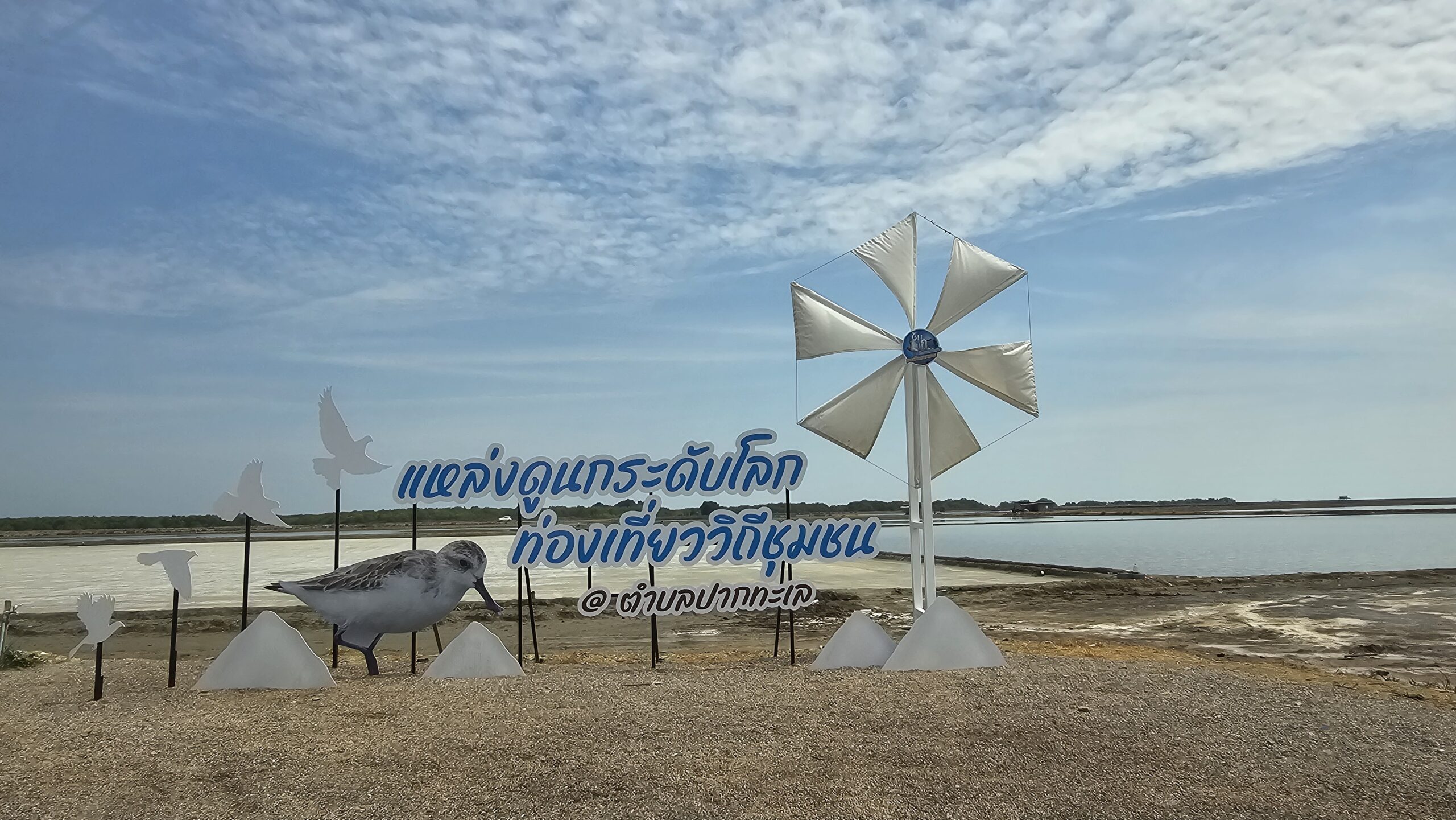
Nestled along the Gulf of Thailand, the small coastal area of Pak Thale in Phetchaburi Province is well-known among birdwatchers. While Thailand is often associated with bustling cities and tropical beaches, Pak Thale offers a different kind of charm — one defined by salt pans, migratory birds, and serene landscapes. In this blog post, we’ll explore what makes Pak Thale so special and why it deserves a spot on your travel itinerary.
Where is Pak Thale?
Pak Thale is located about 150 kilometers southwest of Bangkok, making it an accessible day trip or a peaceful weekend escape from the capital. The area is best known for its vast salt flats and wetlands, which play a crucial role in local salt production and serve as important habitats for a variety of bird species. When we visited this area we choose to stay at the Fisherman’s Resort which is a short drive from here.
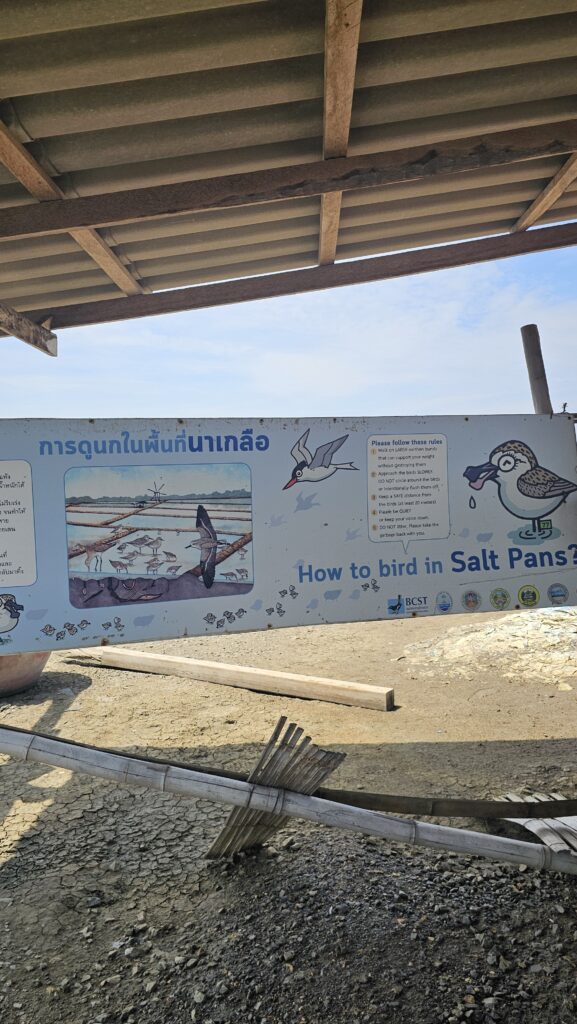
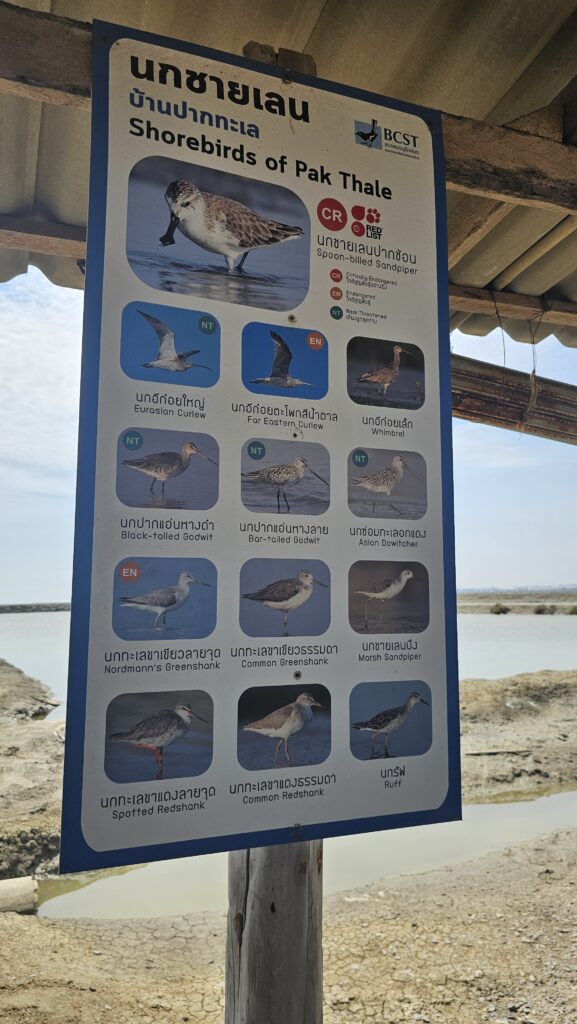
Birdwatching Haven
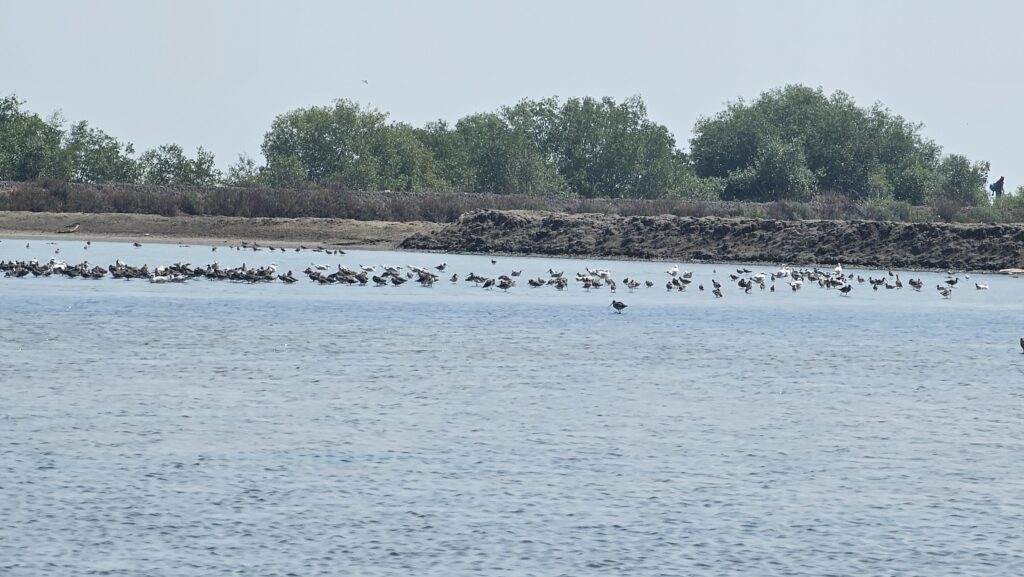
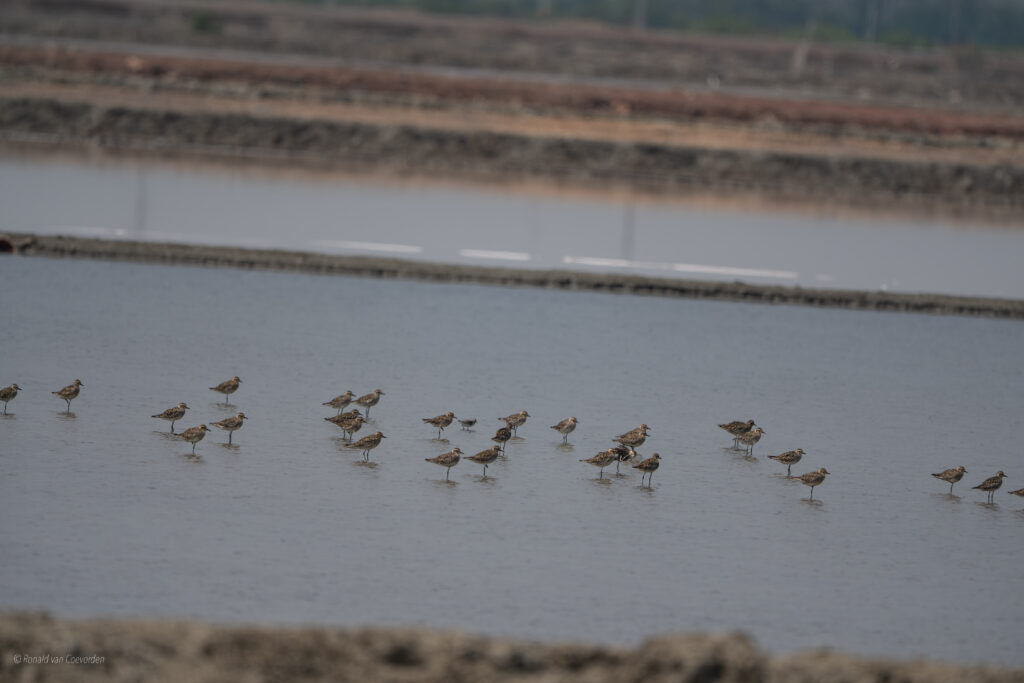
Pak Thale is internationally renowned among birdwatchers, particularly as a wintering ground for migratory shorebirds. Between November and April, the salt pans and mudflats come alive with thousands of birds traveling from as far as Siberia and northern China. The star attraction is the critically endangered Spoon-billed Sandpiper, a tiny and elusive bird that draws enthusiasts from across the globe.
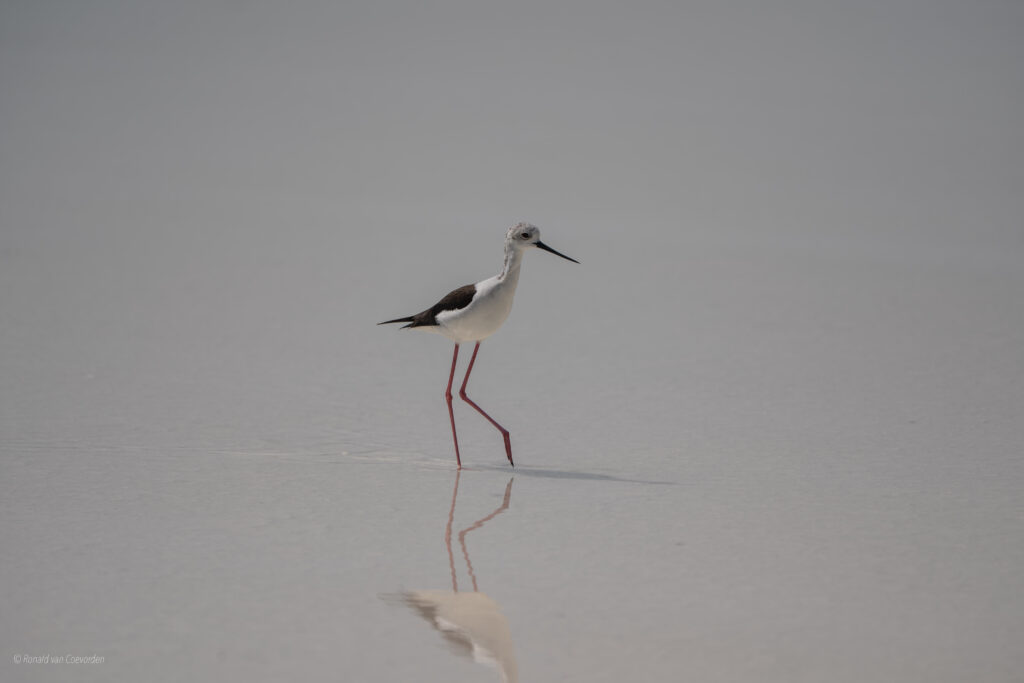
What to Expect During Your Visit
Stunning Sunrises: Early mornings in Pak Thale are magical, with the first light reflecting off the water and salt pans.
Photography Opportunities: The combination of wildlife, water reflections, and salt harvesting activities makes for exceptional photographs.
Local Culture: Beyond birdwatching, visitors can explore nearby fishing villages, sample fresh seafood, and witness traditional salt harvesting methods.
Travel Tips
Best time to visit: November to April for peak birdwatching.
Bring binoculars, a camera, and sun protection. In the middle of the salt plats there is a small place to hide from the sun and observe birds.
Travel early in the day to catch the best bird activity and cooler temperatures.
Respect the environment and follow local guidelines to minimize your impact.
A good website to read more about this area is Thaibirding.com and can be found here.