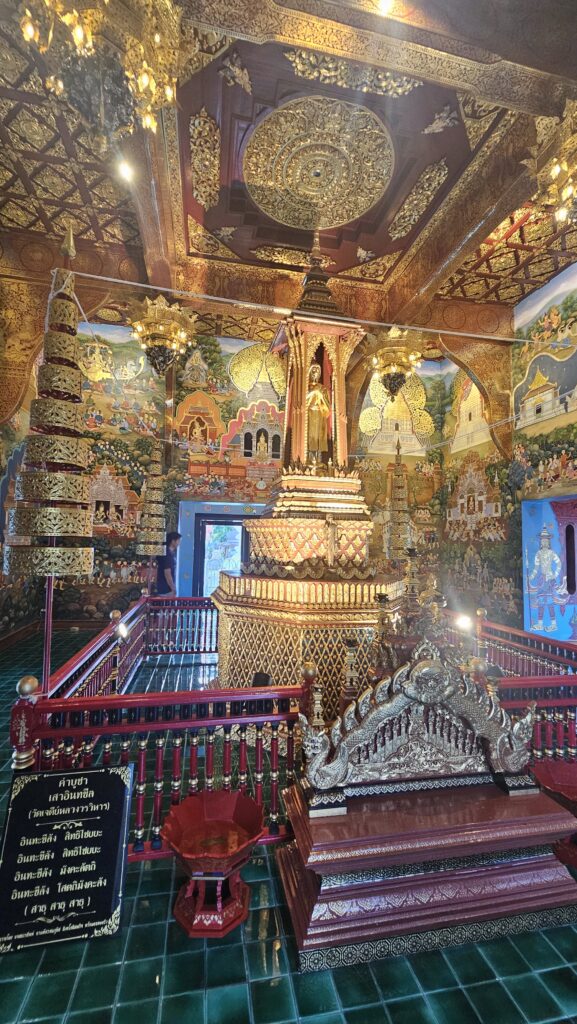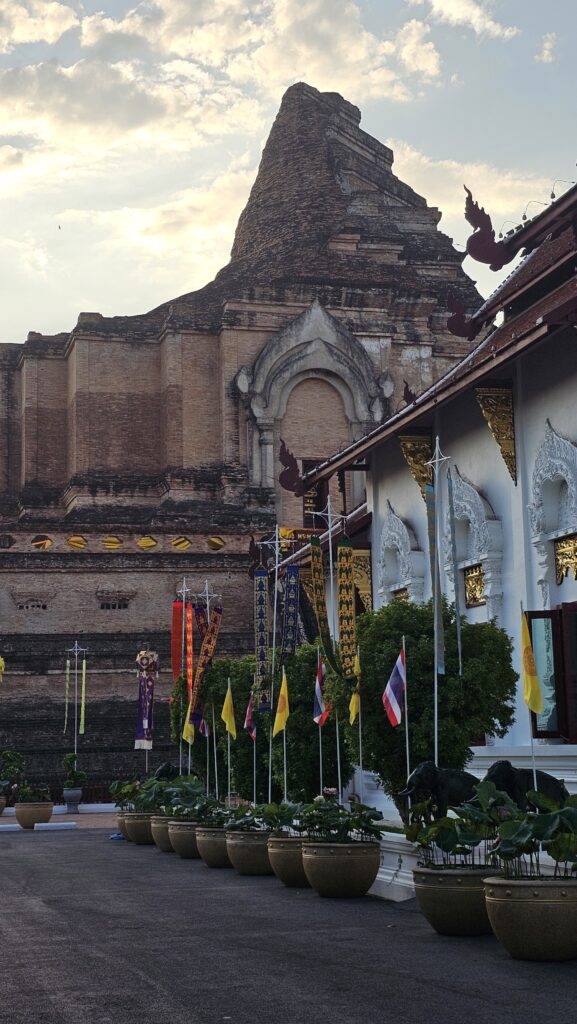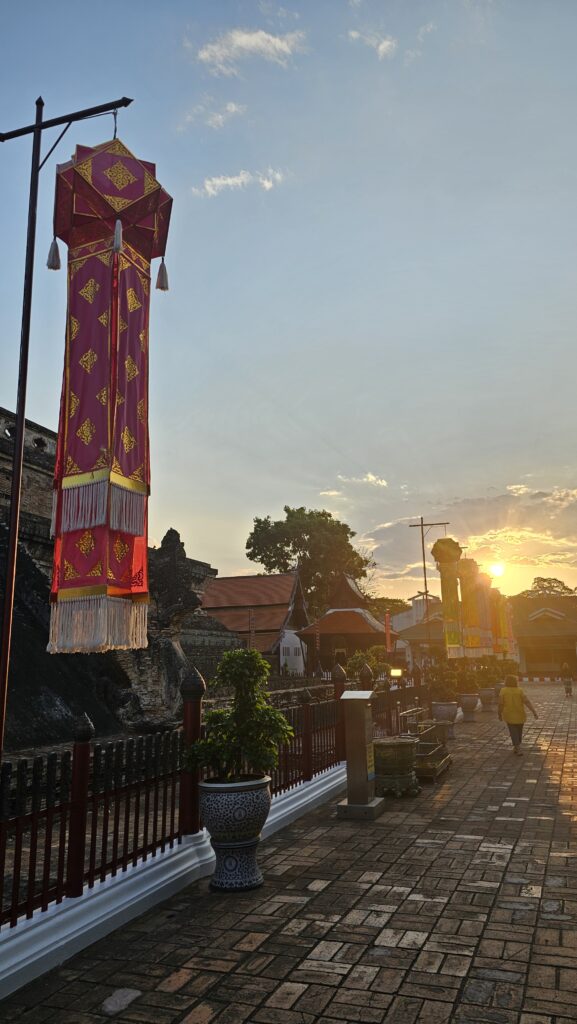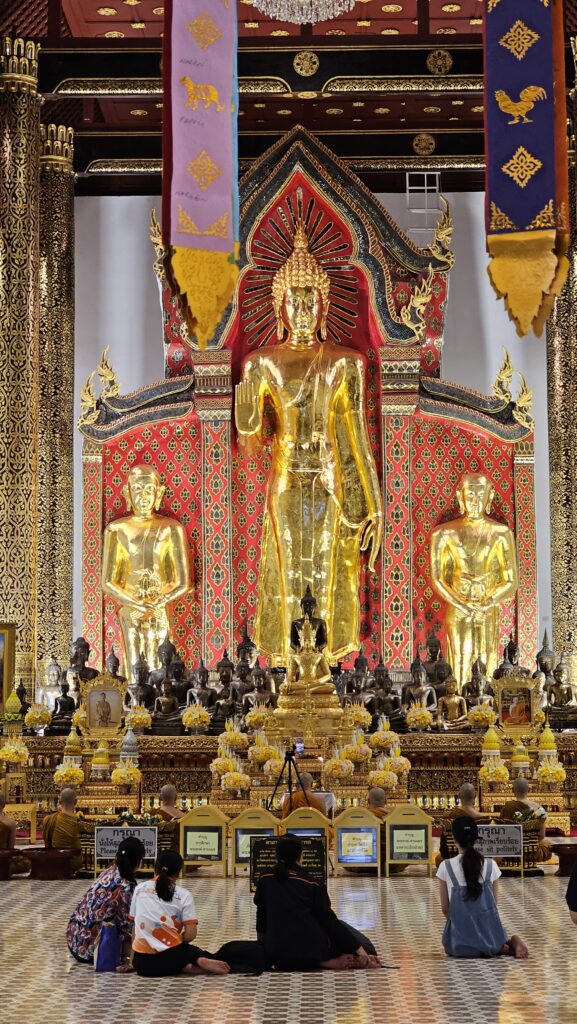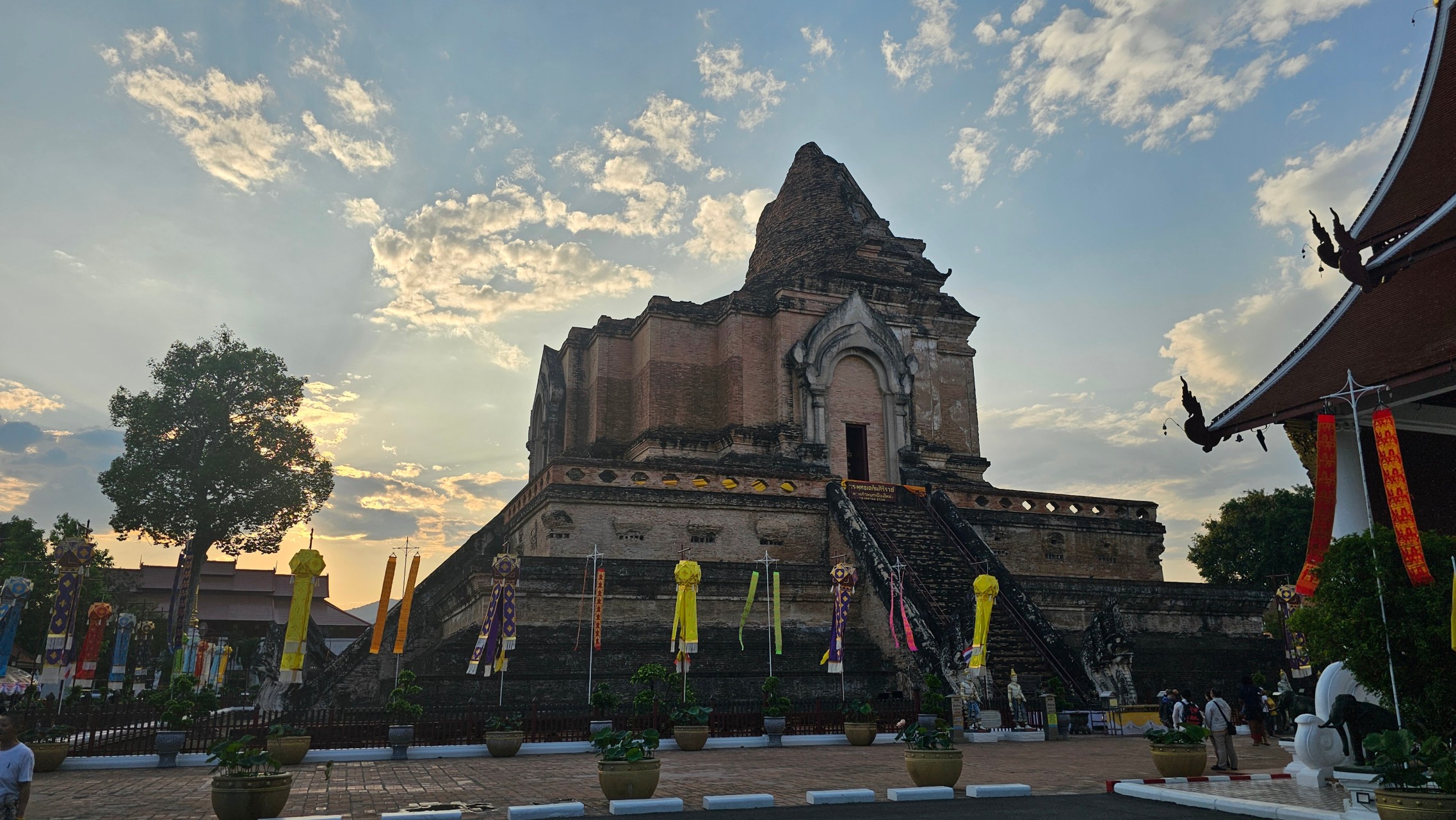
In the heart of Chiang Mai’s old city stands Wat Chedi Luang, a temple that has watched over the city for centuries. This majestic complex is not just a religious site—it’s a living testament to the rich history and culture of northern Thailand. Whether you are a traveler seeking inspiration or a culture enthusiast exploring the past, Wat Chedi Luang offers a fascinating journey through time.
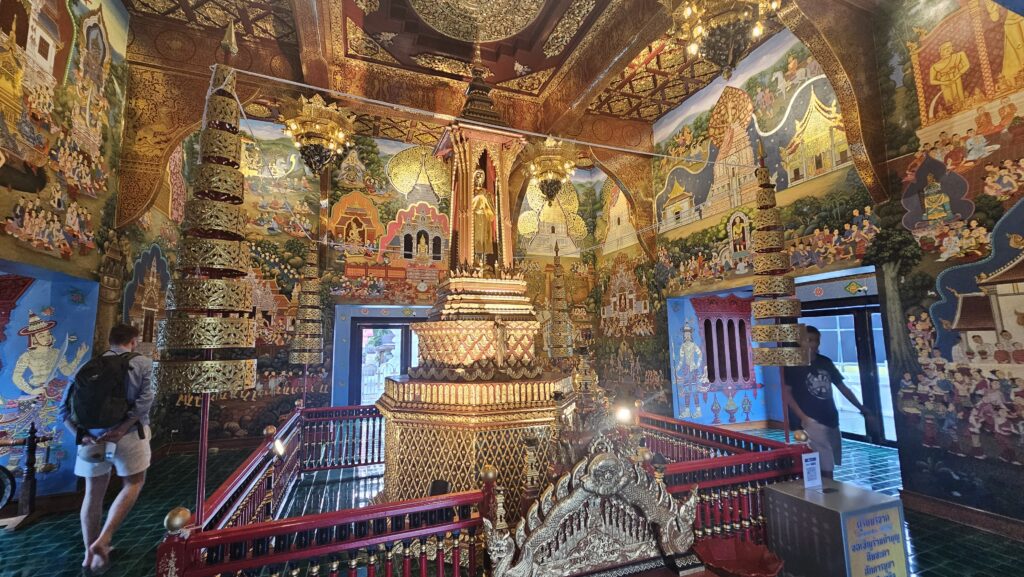
Historical Background
Wat Chedi Luang, which means “Temple of the Great Stupa,” traces its roots back to the 14th century. Construction began during the reign of King Saen Muang Ma, who planned the temple as a tomb for his father. Over the years, different rulers contributed to building and expanding the complex. Wat Chedi Luang has witnessed many historical events, including periods of decline and restoration following earthquakes and invasions. Its story is woven into the fabric of Chiang Mai’s own rise and transformation.
The Age of Wat Chedi Luang
The temple’s construction started around 1391 and was completed in 1475, making it over 600 years old. Throughout the centuries, the temple has undergone numerous changes. The most significant event occurred in 1545, when a major earthquake toppled the upper part of its grand chedi (stupa), reducing its height from about 82 meters to 60 meters. Despite these challenges, Wat Chedi Luang remains an enduring symbol of Chiang Mai’s resilience.
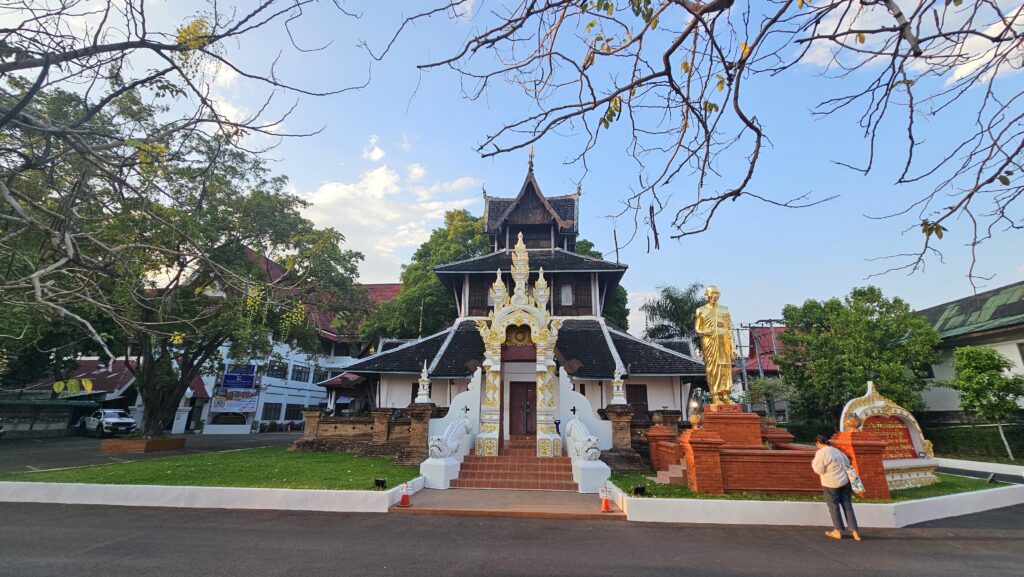
Location: In the Centre of Chiang Mai’s Old City
Wat Chedi Luang is perfectly situated in the center of Chiang Mai’s old city. The old city is a square-shaped area surrounded by ancient brick walls and a moat, which once served as defense for the city. The temple’s address is Phra Pok Klao Road, making it easily accessible and a focal point for visitors exploring the historic heart of Chiang Mai.
Opening hours
According to the Tourism Authority of Thailand, the complex is open every day from 08:00 – 22:00 but closed on holidays.